

Readings: Habakkuk 1:12-2-4; Psalm 9; Matthew 17:14-20.
Today’s first reading is taken from one of the minor prophets, Habakkuk, where we hear some of the most hopeful and helpful words in holy scripture: ‘Write the vision down, inscribe it on tablets to be easily read, since this vision is for its own time only: eager for its own fulfilment, it does not deceive; if it comes slowly, wait, for come it will, without fail’. The perspective of the prophets is proclaimed as follows: ‘Prophets are less concerned with foretelling the future than with exposing what is spiritually misaligned in the present, naming the idols of their age, and unsettling the comforts of injustice or ritual formality’.[1]
In today’s Gospel text we hear and see the prophet of God’s Reign in action. After hearing about the boy in his ‘wretched state’ where he was wont to fall onto the fire or water, and hearing that his disciples could not cure him, Jesus is exasperated and exclaims, ‘faithless and perverse generation, how much longer must I be with you?’ He goes on to answer the disciples’ question about their inability to cure the boy. Jesus is blunt, ‘Because you have little faith’. The complete contrast in size between the mustard seed and the mountain only serves to communicate the power of faith.
Earlier in the week we heard from the prophet Jeremiah: ‘Listen to this word that I am now going to say for you and all the people to hear. From remote times, the prophets who preceded you and me prophesied war, disaster and plague for many lands and for great kingdoms; the prophet who prophesies peace can be recognised as one truly sent by the Lord only when the prophecy comes true.’ (28:7-9) The so-called prophets of doom could be preaching in the present with the proliferation of conflict and contagion being communicated in media that were unimaginable ‘in remote times’.
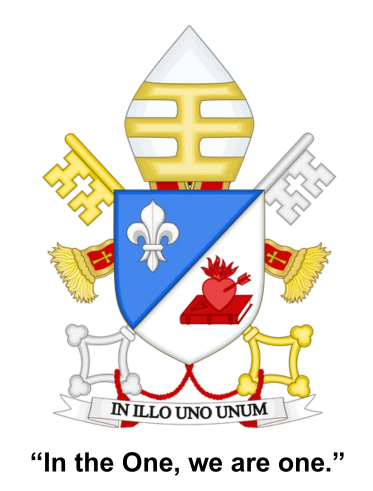
In the Gospel of Matthew Jesus expresses and enacts, embodies and exemplifies the Reign of God. This is an eternal vision which has entered into history, of which peace between peoples is an essential part. As we say the prayer in the Communion Rite – asking the ‘Lord Jesus Christ’ to look ‘on the faith of your Church, and graciously grant her peace and unity in accordance with your will’ – we are reminded of the vision of ‘peace and unity’ that Pope Leo XIV is making the motto of his papacy, mindful of the prophecy ‘Before God and before Christ Jesus who is to be judge of the living and the dead, I charge you, in the name of his appearing and of his kingdom: proclaim the message and, welcome or unwelcome, insist on it’. (2 Timothy 4:1)
Kevin O’Gorman SMA
[1] Nina Blibetic, ‘Sacred Space between Inclusion and Exclusion’, Studia Liturgica, 2026, (1), 40-53, here 42.